How To Tell If Your Cat Is In Pain 10 Signs & Emergency Guide
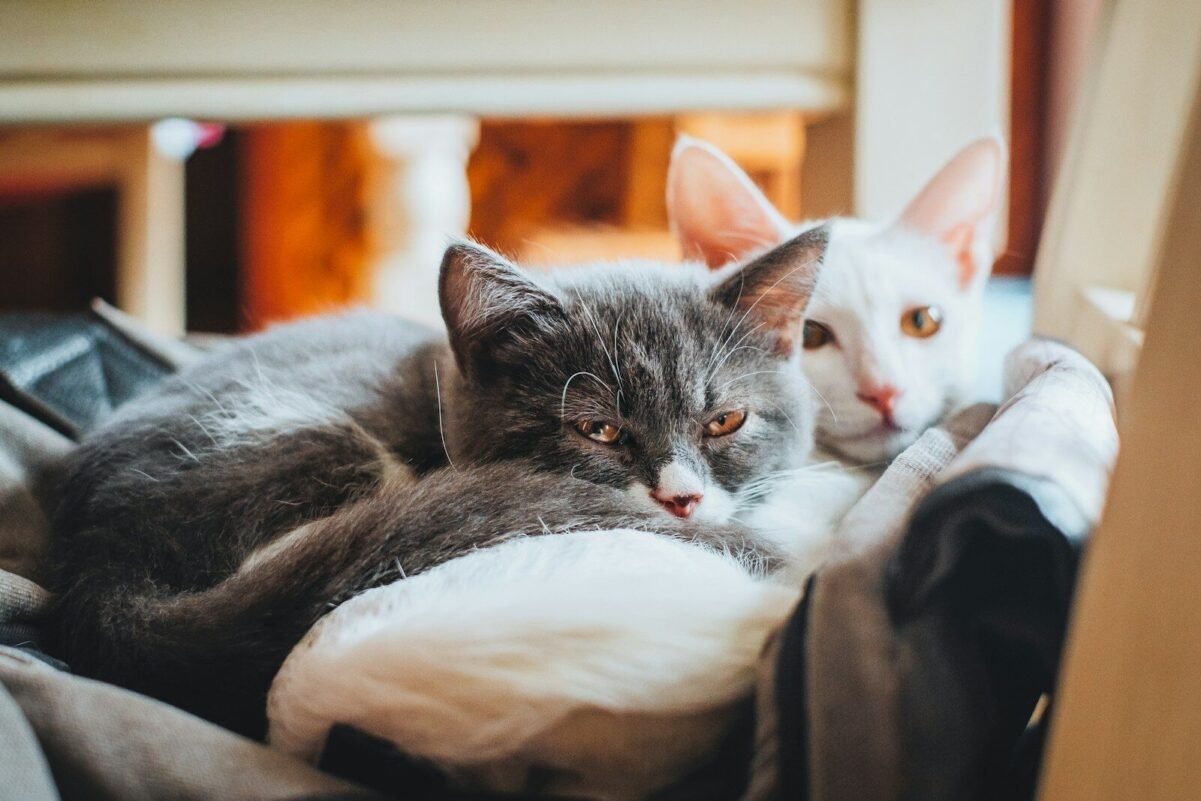
Your cat can’t tell you when something hurts. And worse — cats are biologically wired to hide pain. In the wild, showing weakness makes them prey. So even when they’re in excruciating discomfort, they’ll often act “fine” until the problem becomes life-threatening.
Veterinary experts agree: pain changes your cat’s everyday behaviors. The trick is knowing what to look for. Subtle shifts in appetite, grooming, mobility, mood, and vocalizations are often the only clues you’ll get.
One of the most overlooked pain signals is sitting in the litter box — read our full guide here. But there are many other signs. This guide covers 10 hidden pain signals in an easy-to-scan table, a real story about a cat named Sniffy, and a step-by-step action plan to help your feline friend.
Susie’s Story: How a “Grumpy” Cat Was Actually Crying for Help
A friend of mine, Susie, had a 12-year-old tabby named Sniffy. Sniffy had always been the sweetest cat — cuddly, chatty, and always first to greet Susie at the door.
Then, slowly, Sniffy started changing.
“I thought he was just getting old,” Susie told me. “He stopped jumping on the bed. He wasn’t grooming himself like he used to. He’d hiss when I tried to brush him. I figured he was just becoming a grumpy old man.”
For months, Susie dismissed these changes. Sniffy was still eating (mostly), still purring when she petted him (sometimes), and still using the litter box (though he’d started having accidents right next to it).
Then one morning, Susie found Sniffy hiding under the bed — a place he’d never gone before. He wouldn’t come out. He wouldn’t eat. His eyes were squinting, and his fur was matted and greasy.
Susie rushed Sniffy to the vet. The diagnosis: severe osteoarthritis and dental disease. Sniffy had been in chronic pain for months, and Susie had missed the signs because she didn’t know what to look for.
After starting pain management medication and switching to a softer food, Sniffy improved dramatically. But Susie learned a hard lesson: cats don’t get “grumpy” — they get painful. And it’s our job to notice.
Is This an Emergency? The 5-Second Triage
Before you read further, check for these red flags that require immediate veterinary attention:
🚨 Emergency Signs — Go to the Vet NOW
- Not eating or drinking for more than 24 hours
- Extreme lethargy — won’t move, won’t respond, can barely stand
- Difficulty breathing — open-mouth breathing, panting, rapid breaths
- Severe vomiting or diarrhea — especially with blood
- Unable to urinate or straining with no urine output (especially in male cats)
- Collapse or seizure
- Visible injury — bleeding, broken bone, or trauma
If you see any of these, stop reading and call your vet or emergency animal hospital immediately.
The Ultimate Pain Signs Reference Table
Use this table as a quick-reference cheat sheet for your cat’s daily health check. If your cat shows a combination of any 3 or more of these changes over a few days, call your veterinarian.
🧼 GroomingDull, greasy, matted, or soiled coat; excessive licking/biting at one specific spot; bald patches; resenting being brushed or combed.🏃 Mobility & ActivityReluctance to jump on furniture/stairs; walking with a stiff gait or limp; hesitating on slick floors; pacing; restlessness; trembling rear legs; sleeping in unusual positions.😼 Facial ExpressionsSquinting or half-closed eyes; flattened ears; whiskers straight out and slightly forward; a “vacant” stare; enlarged pupils; tight/tense muzzle.
| 📋 Category | 🔍 Specific Signs to Watch For | ⚕️ Possible Underlying Pain | ||
|---|---|---|---|---|
| 🍽️ Appetite & Thirst | ||||
| Eating less; refusing food; dropping food while eating; eating on one side of the mouth; pawing at the mouth; drinking much more or less than usual.</td | Dental disease, nausea, kidney disease, diabetes, or internal pain. | |||
| Arthritis (can’t reach painful areas), skin pain, dental pain, or stress from chronic discomfort. | ||||
| Osteoarthritis, joint disease, muscle injury, or neurological pain. | ||||
| 🙈 Hiding & Withdrawal | Hiding in places they’ve never gone before; avoiding family interactions; not responding to toys; not greeting you at the door; resisting being held or picked up. | Generalized pain, fear, anxiety, or severe illness. | ||
| 🗣️ Vocalization | Meowing or yowling more than normal; growling/hissing when approached; purring at unusual times (e.g., during rest); becoming totally silent. | Acute pain (crying), anxiety, or self-soothing behavior during chronic pain. | ||
| 😾 Aggression | Hissing, growling, or lashing out when petted or handled; avoiding being touched in specific areas; adopting a defensive posture; swatting at other pets or people. | Pain upon palpation (especially back, belly, or joints), or fear of being hurt. | ||
| 🧘 Posture & Body Language | Hunched back; tucked legs when lying down (instead of stretching out); lowering the head; sitting in an unusual way (sticking a leg out); avoiding stretching. | Abdominal pain, back pain, or joint stiffness. | ||
| 🚽 Litter Box Habits | Accidents outside the box (especially near it); straining to urinate or defecate; visiting the box more/less often; squatting over the edge; sitting in the litter box for extended periods. | Urinary tract infection, FLUTED, constipation, arthritis (can’t climb in/out), or GI pain. | ||
| Acute or chronic pain (validated by the Feline Grimace Scale). | ||||
| 🛏️ Sleeping Patterns | Sleeping significantly more or less than usual; sleeping in odd, cramped, or unusual locations; waking up frequently; struggling to get comfortable. | Systemic illness, joint pain, or inability to find a pain-free resting position. |
💡 Pro Tip: Print this table or save it on your phone. Do a weekly “head-to-tail” check using these categories. Early detection is the single best way to prevent suffering.
Why Cats Hide Pain — The Evolutionary Secret
Cats are masters of disguise when it comes to pain. This isn’t stubbornness — it’s survival instinct.
In the wild, cats are “mid-level predators” — they hunt smaller animals but can also become prey for larger ones. Showing signs of injury or illness makes them vulnerable. So they’ve evolved to mask discomfort completely.
This means that by the time you notice something is wrong, your cat may have been suffering for weeks or even months. The good news? You are in the best position to spot the subtle changes because you see your cat every day in their familiar home environment.
According to the American Animal Hospital Association (AAH), studies estimate that 60% of cats aged 6 years and older have degenerative joint disease — yet most owners never notice because cats rarely limp or cry out.
The Science: What Research Says About Pain in Cats
Veterinary science has made significant progress in understanding feline pain. Here are key findings:
A 2016 PubMed study using expert consensus identified 25 behavioral signs that are sufficient to indicate pain in cats — though no single sign is always present. This means you need to look for patterns, not just one symptom.
According to the AAH, studies estimate that 60% of cats aged 6 years and older have degenerative joint disease — yet most owners never notice because cats rarely show obvious signs like limping.
Research by Dr. Lori Koan at Colorado State University found that cat owners can quickly learn to recognize pain cues. Her study showed that after receiving a brief “information prescription” about pain signs, owners’ level of concern skyrocketed — and 92% found it easier to describe the pain to their veterinary team.
Hogan’s study used a modified version of the Colorado State University Feline Acute Pain Scale, which combines images and descriptions of behaviors — like flattened ears or narrowed eyes — to help owners identify and rate pain.
Another validated tool is the Feline Grimace Scale (GS), which scores five facial action units (ear position, orbital tightening, muzzle tension, whisker position, and head position) on a scale of 0 to 2.
According to Fear Free, an estimated 70% of cats do not receive regular veterinary care, and chronic pain is a leading contributor to delayed diagnosis and reduced quality of life.
How to Help Your Cat: A Step-by-Step Action Plan
If you suspect your cat is in pain, here’s what to do:
Step 1: Document Everything
Before calling the vet, write down:
- Which signs you’ve noticed (use the table above)
- When they started
- How often they occur
- Any changes in eating, drinking, sleeping, or litter box use
This information will help your vet make a faster, more accurate diagnosis.
Step 2: Call Your Veterinarian
Never give your cat human pain medication — it can be toxic and fatal. Always consult a veterinarian for proper diagnosis and treatment.
Describe the signs you’ve observed and ask for the earliest available appointment. If your cat shows emergency signs, go to an emergency vet immediately.
Step 3: Make Your Cat Comfortable
While waiting for the vet appointment:
- Provide easy access to food, water, and a low-sided litter box
- Create a quiet, safe space where your cat can rest undisturbed
- Avoid touching or picking up painful areas
- Keep other pets away to reduce stress
Step 4: Follow the Vet’s Treatment Plan
Your vet may recommend:
- Pain medication specifically formulated for cats
- Diagnostic tests (X-rays, blood work, ultrasound)
- Dietary changes (softer food for dental pain, joint supplements for arthritis)
- Environmental modifications (ramps, heated beds, lower litter box sides)
- Physical therapy or acupuncture for chronic pain
Step 5: Monitor and Follow Up
After treatment starts:
- Watch for improvement in the signs you observed
- Track any side effects of medication
- Schedule follow-up appointments as recommended
- Report any concerns to your vet immediately
Health Scenario: What Chronic Pain Looks Like
Let’s walk through a realistic health scenario so you know exactly what to watch for.
The Setup: You have a 10-year-old female cat named Luna. She’s always been active, playful, and affectionate.
Month 1: You notice Luna is sleeping more than usual. She used to sleep 14 hours a day; now it’s closer to 18. She’s less interested in her favorite feather toy.
Month 2: Luna starts hesitating before jumping onto the bed. Sometimes she misses the jump entirely. Her coat looks dull — she’s not grooming her back as much.
Month 3: Luna hisses when you try to brush her — something she used to love. She’s hiding under the bed more often. She’s still eating, but slower than before.
Month 4: Luna starts having accidents outside the litter box. She cries when you try to pick her up. She’s not herself.
What You Should Do NOW: Don’t wait four months like Susie did. The moment you notice any of these changes — especially a combination of them — call your vet.
What Happens at the Vet: The vet will:
- Perform a thorough physical exam, checking for pain points
- Recommend X-rays to check for arthritis or other joint issues
- Run blood work to rule out underlying conditions
- Prescribe pain medication and recommend environmental changes
Outcome: With proper pain management, Luna can live comfortably for years. Without treatment, her quality of life will continue to decline.
Takeaway: Don’t dismiss changes as “just old age.” Pain is not a normal part of aging — it’s a treatable medical condition.
Final Advice: When in Doubt, Call Your Vet
Veterinary experts across the board agree: pain changes your cat’s everyday behaviors. The key is recognizing those changes early.
According to VAC Animal Hospitals, look for changes in vocalizing, activities of daily living, daily habits, facial expressions, aggression, and posture — any of these may indicate pain and should be brought to your veterinarian’s attention.
As Dr. Duncan Nacelles, professor of surgery and pain management at North Carolina State University, puts it: “We embrace owners as team members in trying to understand whether their cats are comfortable or uncomfortable”.
Susie learned this the hard way with Sniffy. Don’t make the same mistake.
If your cat shows any of these signs:
- Check for emergency signs (not eating, extreme lethargy, difficulty breathing, unable to urinate).
- Document everything — what you see, when it started, how often it happens.
- Call your vet and describe what you’ve observed.
- Never give human pain medication — it’s toxic to cats.
- Follow your vet’s treatment plan and monitor for improvement.
Your cat can’t tell you when something hurts. But their behavior is telling you everything. Listen to it.
Disclaimer: This article is for informational purposes only and does not constitute veterinary medical advice. Always consult a licensed veterinarian for diagnosis and treatment of your pet’s health conditions.
Related Reading:
Why Does My Cat Sit in the Litter Box? 7 Vet-Reviewed Reasons |
Cat Urinary Blockage: Signs, Emergency Treatment, and Recovery
References:
- VAC Animal Hospitals – How Do I Know if My Cat Is in Pain?
- PetMD – How To Tell If a Cat Is in Pain
- Fear Free – The Subtle Signs of Pain in Cats: What Caregivers See at Home
- AAH – Recognizing Pain in Cats
- Texas AM Veterinary Medicine – Detecting the Subtle Signs of Pain
- PubMed – Behavioral Signs of Pain in Cats: An Expert Consensus (PLoS One, 2016)
- International Veterinary Academy of Pain Management (IVA) – Is Your Cat in Pain? Checklist