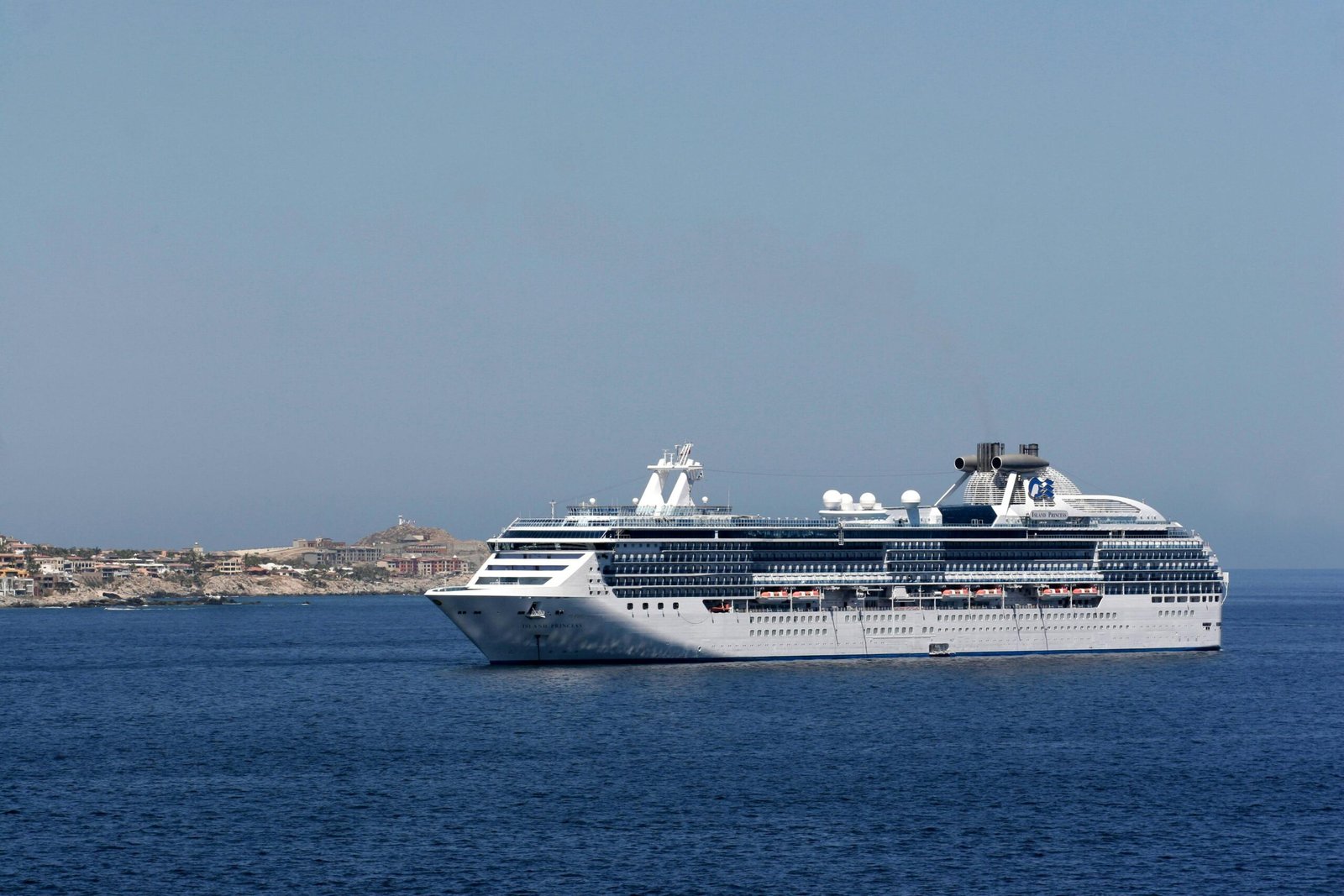

Planning a cruise vacation is exciting, but navigating the documentation requirements can feel overwhelming. One of the most commonly misunderstood concepts in cruise travel is the closed loop cruise — and specifically, what identification documents you actually need to bring. Whether you’re a first-time cruiser or a seasoned sailor, understanding closed loop cruise passport requirements could save you from a stressful situation at the port.
What Is a Closed Loop Cruise?
A closed loop cruise is any cruise that departs from and returns to the same U.S. port. For example, if you board a cruise ship in Miami, spend a week visiting the Bahamas, Mexico, and the Cayman Islands, and then return to Miami at the end of the voyage, that qualifies as a closed loop cruise.
This is in contrast to an open jaw cruise, where you depart from one port and disembark at a different port — say, sailing from Fort Lauderdale and ending in Barcelona. Open jaw cruises have different and typically stricter documentation requirements.
Closed loop cruises are by far the most common type of cruise taken by American travelers, covering popular itineraries in the Caribbean, Mexican Riviera, Bermuda, and the Bahamas.
Do You Need a Passport for a Closed Loop Cruise?
The Short Answer
Technically, U.S. citizens do not legally require a passport to board a closed loop cruise. This is one of the most surprising facts for many travelers to learn, and it stems from a specific provision in U.S. law.
The Legal Framework: The Western Hemisphere Travel Initiative (WHTI)
The Western Hemisphere Travel Initiative, which came into full effect in 2009, generally requires U.S. citizens to present a valid passport when traveling internationally. However, the WHTI includes a special exemption for closed loop cruises operated by cruise lines.
Under this exemption, U.S. citizens departing from and returning to the same U.S. port on a cruise can use alternative accepted documents in place of a full passport. The U.S. government specifically carved out this rule to make cruising more accessible to American families.
Accepted Documents for Closed Loop Cruises
Documents That Work Instead of a Passport
If you don’t have a passport or don’t want to travel with one, the following documents are accepted for U.S. citizens on closed loop cruises:
U.S. Passport Card — The passport card is a wallet-sized alternative to the traditional passport book. It’s valid for land and sea travel to Canada, Mexico, Bermuda, and the Caribbean. It cannot be used for international air travel, but it works perfectly for closed loop cruises.
Birth Certificate Plus Government-Issued Photo ID — A certified copy of your U.S. birth certificate combined with a valid government-issued photo ID (such as a driver’s license) is accepted. Note that it must be an official certified copy with a raised seal — photocopies are not accepted.
U.S. Naturalization Certificate — Naturalized citizens can present their certificate of naturalization along with a government-issued photo ID.
Trusted Traveler Program Cards — Cards from trusted traveler programs such as NEXUS, SENTRI, or FAST are accepted for adults.
Requirements for Children and Minors
Children under the age of 16 traveling on a closed loop cruise can use an official birth certificate alone — no photo ID is required. For children between 16 and 18, a birth certificate plus photo ID (such as a school ID) is typically sufficient.
Why You Should Still Bring a Passport
The Practical Argument for Carrying Your Passport Book
Even though a passport isn’t strictly required for closed loop cruises, most travel experts — and the U.S. State Department itself — strongly recommend bringing a valid passport book anyway. Here’s why.
Medical Emergencies — If a medical emergency occurs while your ship is at sea or in a foreign port, you may need to be airlifted or transported off the ship for treatment. Without a passport, you may face serious difficulties boarding an international flight home. A birth certificate and driver’s license simply won’t get you on a plane.
Missing the Ship — It happens more often than people think: a shore excursion runs long, traffic is terrible, and the ship departs without you. If you’re stranded in a foreign country with only a birth certificate, getting home can become a bureaucratic nightmare. A passport gives you the flexibility to book a flight and return independently.
Port of Call Entry Requirements — While the cruise line may permit boarding without a passport, some individual ports of call — particularly in certain Caribbean nations — may have their own entry requirements. In rare cases, travelers without passports have been denied entry ashore at specific destinations.
Peace of Mind — Traveling internationally with a full passport simply removes uncertainty. You’ll clear customs faster, deal with fewer questions from port authorities, and have one less thing to worry about on your vacation.
How to Apply for or Renew a Passport Before Your Cruise
Standard Processing vs. Expedited Processing
Standard U.S. passport processing typically takes 6 to 8 weeks, though processing times fluctuate based on demand. If your cruise is coming up soon, you may need to apply for expedited processing, which costs an additional fee but can reduce the wait to 2 to 3 weeks.
For truly last-minute situations, you can schedule an appointment at a regional passport agency for urgent travel within 72 hours, though appointments can be difficult to secure during busy seasons.
Passport Cards vs. Passport Books
If cost is a concern, the passport card is significantly cheaper than the passport book and perfectly valid for closed loop cruises. However, given the emergency scenarios described above, most travel advisors recommend the full passport book as the more versatile investment.
Key Takeaways
Understanding closed loop cruise passport requirements comes down to knowing the difference between what is legally required and what is practically wise. While U.S. citizens have the legal right to board a closed loop cruise with a birth certificate and photo ID, the risks of traveling without a full passport can turn an inconvenient situation into a true travel crisis.
The bottom line: if you have a valid passport, bring it. If you’re planning your first cruise and don’t yet have one, consider applying for at least a passport card — it’s affordable, compact, and gives you far more flexibility than relying on a birth certificate alone. The best cruises are the ones where the only thing you’re thinking about is your next sunset cocktail, not scrambling for documentation at a foreign port.
Always verify current requirements directly with your cruise line and the U.S. State Department before departure, as policies and entry requirements can change.

Planning a cruise vacation is exciting, but navigating the documentation requirements can feel overwhelming. One of the most commonly misunderstood concepts in cruise travel is the closed loop cruise — and specifically, what identification documents you actually need to bring. Whether you’re a first-time cruiser or a seasoned sailor, understanding closed loop cruise passport requirements could save you from a stressful situation at the port.
What Is a Closed Loop Cruise?
A closed loop cruise is any cruise that departs from and returns to the same U.S. port. For example, if you board a cruise ship in Miami, spend a week visiting the Bahamas, Mexico, and the Cayman Islands, and then return to Miami at the end of the voyage, that qualifies as a closed loop cruise.
This is in contrast to an open jaw cruise, where you depart from one port and disembark at a different port — say, sailing from Fort Lauderdale and ending in Barcelona. Open jaw cruises have different and typically stricter documentation requirements.
Closed loop cruises are by far the most common type of cruise taken by American travelers, covering popular itineraries in the Caribbean, Mexican Riviera, Bermuda, and the Bahamas.
Do You Need a Passport for a Closed Loop Cruise?
The Short Answer
Technically, U.S. citizens do not legally require a passport to board a closed loop cruise. This is one of the most surprising facts for many travelers to learn, and it stems from a specific provision in U.S. law.
The Legal Framework: The Western Hemisphere Travel Initiative (WHTI)
The Western Hemisphere Travel Initiative, which came into full effect in 2009, generally requires U.S. citizens to present a valid passport when traveling internationally. However, the WHTI includes a special exemption for closed loop cruises operated by cruise lines.
Under this exemption, U.S. citizens departing from and returning to the same U.S. port on a cruise can use alternative accepted documents in place of a full passport. The U.S. government specifically carved out this rule to make cruising more accessible to American families.
Accepted Documents for Closed Loop Cruises
Documents That Work Instead of a Passport
If you don’t have a passport or don’t want to travel with one, the following documents are accepted for U.S. citizens on closed loop cruises:
U.S. Passport Card — The passport card is a wallet-sized alternative to the traditional passport book. It’s valid for land and sea travel to Canada, Mexico, Bermuda, and the Caribbean. It cannot be used for international air travel, but it works perfectly for closed loop cruises.
Birth Certificate Plus Government-Issued Photo ID — A certified copy of your U.S. birth certificate combined with a valid government-issued photo ID (such as a driver’s license) is accepted. Note that it must be an official certified copy with a raised seal — photocopies are not accepted.
U.S. Naturalization Certificate — Naturalized citizens can present their certificate of naturalization along with a government-issued photo ID.
Trusted Traveler Program Cards — Cards from trusted traveler programs such as NEXUS, SENTRI, or FAST are accepted for adults.
Requirements for Children and Minors
Children under the age of 16 traveling on a closed loop cruise can use an official birth certificate alone — no photo ID is required. For children between 16 and 18, a birth certificate plus photo ID (such as a school ID) is typically sufficient.
Why You Should Still Bring a Passport
The Practical Argument for Carrying Your Passport Book
Even though a passport isn’t strictly required for closed loop cruises, most travel experts — and the U.S. State Department itself — strongly recommend bringing a valid passport book anyway. Here’s why.
Medical Emergencies — If a medical emergency occurs while your ship is at sea or in a foreign port, you may need to be airlifted or transported off the ship for treatment. Without a passport, you may face serious difficulties boarding an international flight home. A birth certificate and driver’s license simply won’t get you on a plane.
Missing the Ship — It happens more often than people think: a shore excursion runs long, traffic is terrible, and the ship departs without you. If you’re stranded in a foreign country with only a birth certificate, getting home can become a bureaucratic nightmare. A passport gives you the flexibility to book a flight and return independently.
Port of Call Entry Requirements — While the cruise line may permit boarding without a passport, some individual ports of call — particularly in certain Caribbean nations — may have their own entry requirements. In rare cases, travelers without passports have been denied entry ashore at specific destinations.
Peace of Mind — Traveling internationally with a full passport simply removes uncertainty. You’ll clear customs faster, deal with fewer questions from port authorities, and have one less thing to worry about on your vacation.
How to Apply for or Renew a Passport Before Your Cruise
Standard Processing vs. Expedited Processing
Standard U.S. passport processing typically takes 6 to 8 weeks, though processing times fluctuate based on demand. If your cruise is coming up soon, you may need to apply for expedited processing, which costs an additional fee but can reduce the wait to 2 to 3 weeks.
For truly last-minute situations, you can schedule an appointment at a regional passport agency for urgent travel within 72 hours, though appointments can be difficult to secure during busy seasons.
Passport Cards vs. Passport Books
If cost is a concern, the passport card is significantly cheaper than the passport book and perfectly valid for closed loop cruises. However, given the emergency scenarios described above, most travel advisors recommend the full passport book as the more versatile investment.
Key Takeaways
Understanding closed loop cruise passport requirements comes down to knowing the difference between what is legally required and what is practically wise. While U.S. citizens have the legal right to board a closed loop cruise with a birth certificate and photo ID, the risks of traveling without a full passport can turn an inconvenient situation into a true travel crisis.
The bottom line: if you have a valid passport, bring it. If you’re planning your first cruise and don’t yet have one, consider applying for at least a passport card — it’s affordable, compact, and gives you far more flexibility than relying on a birth certificate alone. The best cruises are the ones where the only thing you’re thinking about is your next sunset cocktail, not scrambling for documentation at a foreign port.
Always verify current requirements directly with your cruise line and the U.S. State Department before departure, as policies and entry requirements can change.